

From Students to Talent: The New Learning-to-Work Compact

The traditional promise of higher education was linear: study hard, earn a degree, and step into the workforce with a career that could last decades. That linearity has collapsed. Careers today are fluid, disrupted every few years by technology, and sustained only by the ability to reskill. What emerges in its place is a new compact between education, industry, and credentialing: a shared responsibility to prepare individuals not just to enter work once, but to remain employable across a lifetime.
Artificial Intelligence and data are redefining how employability is judged. Skills can now be assessed continuously, not only at the point of graduation. Employers seek evidence that is current, portable, and credible. Degrees still matter, but they are no longer sufficient. Certifications, digital credentials, and assessment-driven validation have become the currency that connects higher education to global labor markets.
For universities, this requires a profound shift. Faculties must begin to see their work not as ending with graduation, but as enabling students to enter ecosystems of lifelong validation and reskilling. Teaching knowledge remains vital, but teaching students how to sustain employability through certifications, credentials, and adaptive learning pathways has become equally essential.
Corporations, meanwhile, are no longer passive recipients of graduates. Hiring marks the midpoint, not the end, of the education journey. Employers now expect ongoing learning, with universities and credentialing bodies as partners in talent development. The divide between education and work has blurred into a shared compact of responsibility.
Credentialing organizations form the third pillar of this compact. Independent, standards-driven certifications provide consistency across industries and geographies, offering employers and professionals a trusted bridge between education and employment. In fields such as data science and artificial Intelligence, where skills evolve at extraordinary speed, global standards are what sustain credibility.
This is why initiatives like DataScienceSkool™ and AiSkool™ (now under the Academik America umbrella) are moving decisively into digital learning ecosystems for the world’s leading credentialing bodies in Data Science and AI. At Academik America, this transition reflects the urgency of preparing professionals for a digital-first workforce where skills must be validated continuously rather than episodically. We see our role as connecting these ecosystems with institutional and corporate partnerships, ensuring that students are not left to navigate the transition from learning to work on their own.
The pathway from education to work is no longer a straight road but a shifting landscape of degrees, certifications, reskilling, and employer-led learning. The new compact must ensure that individuals remain employable, adaptable, and trusted across that landscape. Faculties, institutions, corporations, and credentialing bodies all share this responsibility. At Academik America, we are committed to building these bridges globally, because the future of education is not simply about producing graduates—it is about developing talent that thrives across a lifetime of disruption.
Academik America Acquires DataScienceSkool™ & AiSkool™ to Strengthen Global Learning Ecosystem
Read more about how we're advancing the new learning-to-work compact in our latest announcement:
Academik America Acquires DataScienceSkool™ & AiSkool™ to Strengthen Global Learning EcosystemAuthor Bio:
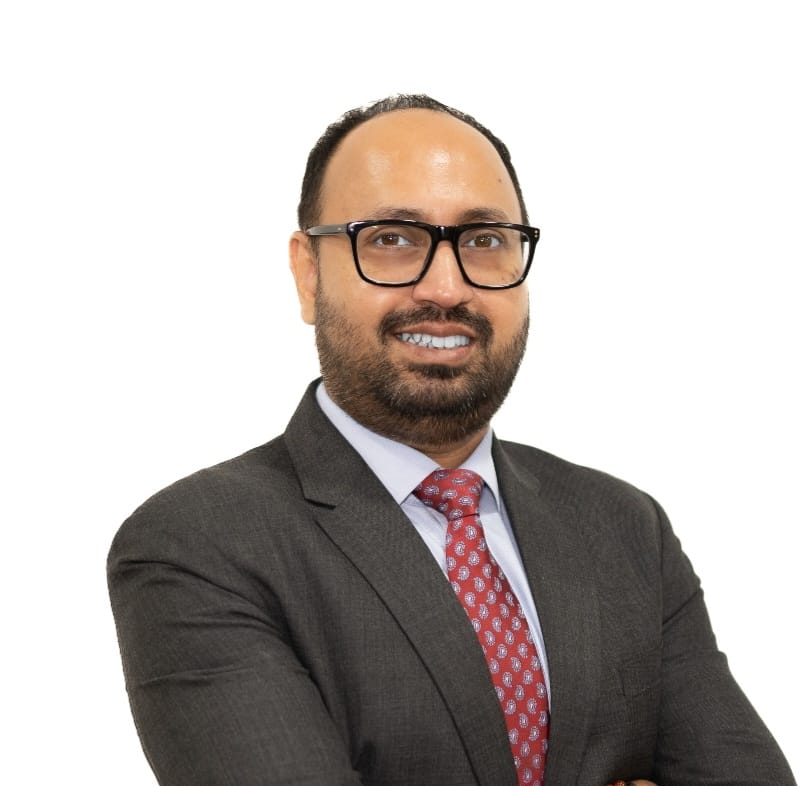
Avik Dutta
Country Head – India and GCC, Academik America
Avik Dutta is the Country Head for India and GCC at Academik America. With deep expertise in global education systems, and institutional strategy, he leads Academik America’s mission of strengthening the capacity of higher education institutions to thrive in the data and AI economy. Avik’s work spans accreditation, academic partnerships, and policy advisory, with a focus on enabling faculties to adapt responsibly to emerging technologies. His perspective combines global insight with on-the-ground experience in advancing teaching quality and institutional readiness. At Academik America, he is recognized as a thought leader often shaping the organization’s vision for how higher-ed institutions must navigate disruption with care and foresight.
Latest
Trends blogs
- Skills and the Future of Work: How Employer Expectations Are Changing
- The Changing Role of Technology in Education: From Digital Classrooms to AI
- Preparing Universities for the AI Era: A Guide for Institutional Leaders
- The Future of AI Education: How Universities Are Equipping Students for Success
Focus blogs